





July

June


April

March

December

September


July
May

April

March
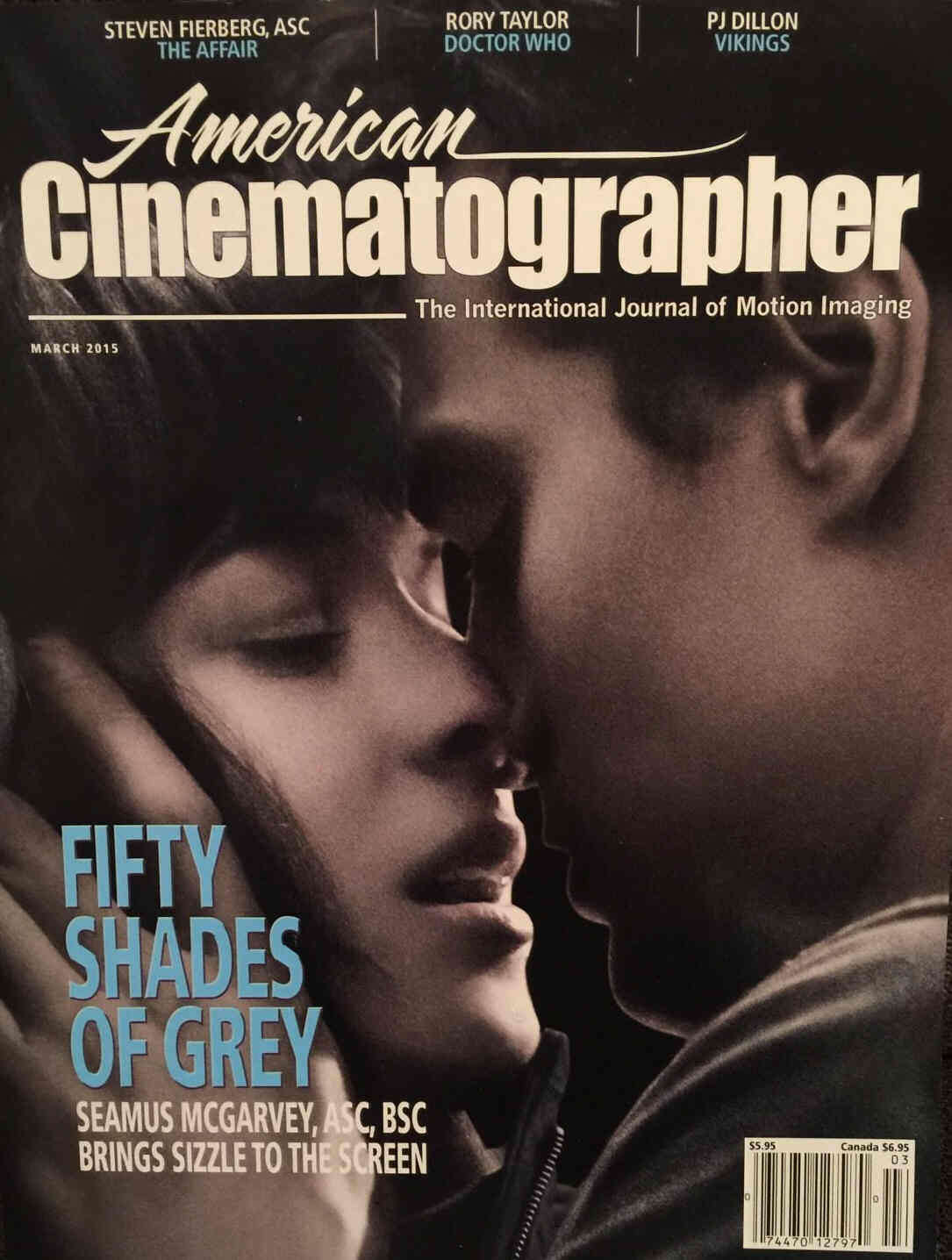
February


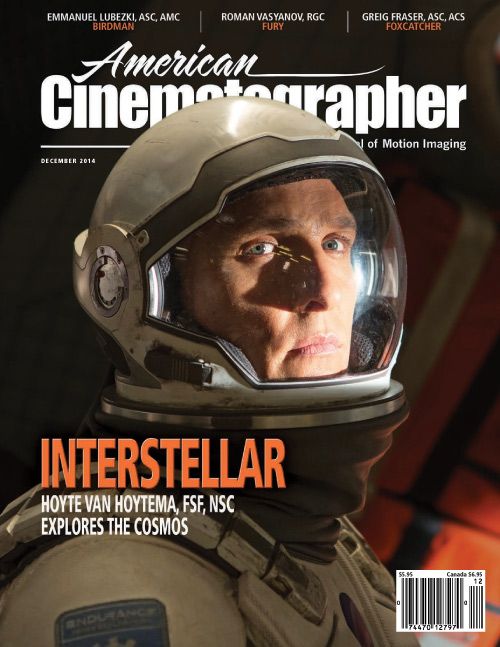
November
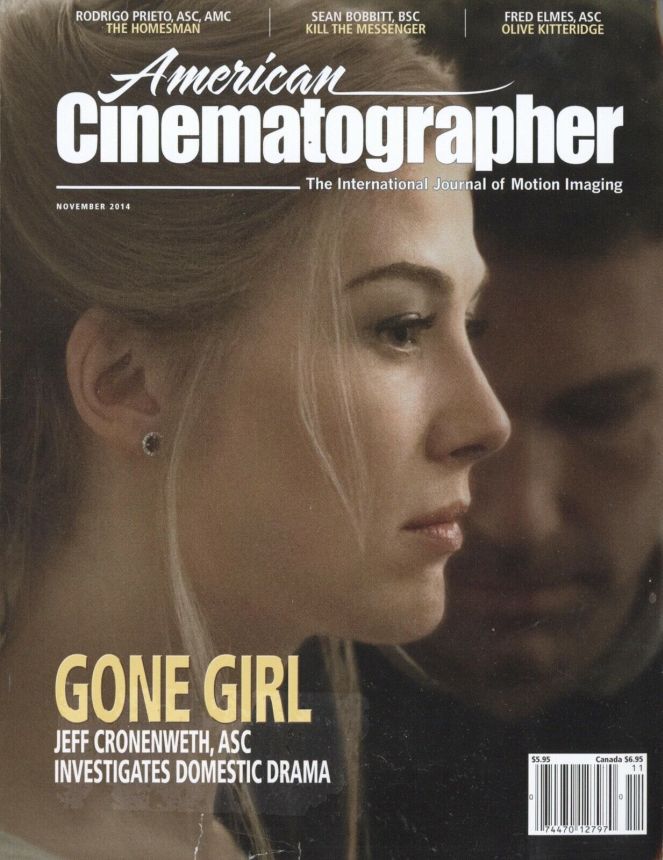
October

September

August

July

June
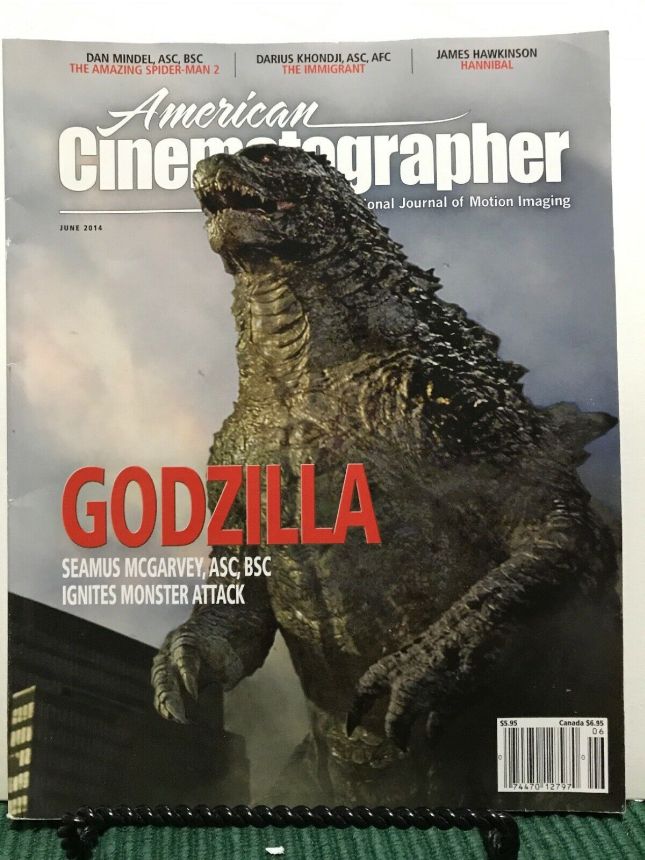
May

April
March

February

January

December

November
October

September
August

July

June

May

April

March

February

January

December

November

October

September
August

July

June

May

April

March

February

January

December - Vol. 93 #12
November - Vol. 93 #11

October - Vol. 93 #10

September - Vol. 93 #9

August - Vol. 93 #8

July - Vol. 93 #7

June - Vol. 93 #6

May - Vol. 93 #5

April - Vol. 93 #5

March - Vol. 93 #4

February - Vol. 93 #3

January- Vol. 93 #2

December - Vol. 93 #1
On cover:
November - Vol. 92 #12

October - Vol. 92 #11
September - Vol. 92 #10

On cover:
August - Vol. 92 #9
On cover:
July - Vol. 92 #8
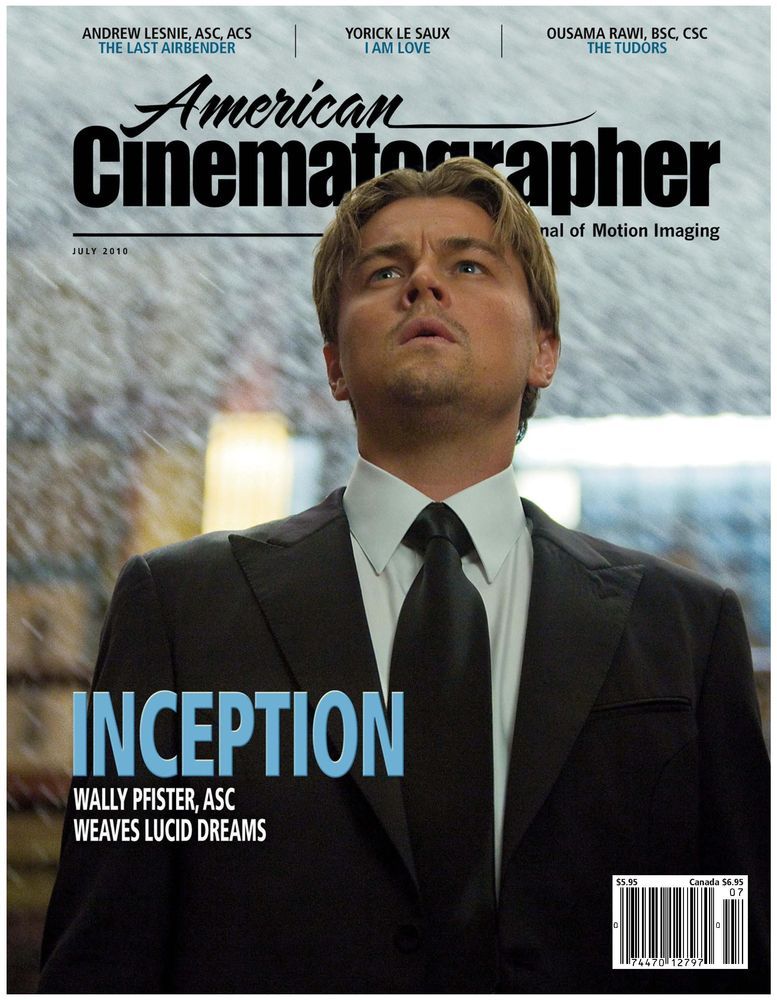
On cover:
June - Vol. 92 #7

On cover:
May - Vol. 92 #5

On cover:
April - Vol. 92 #4

On cover:
March - Vol. 92 #3
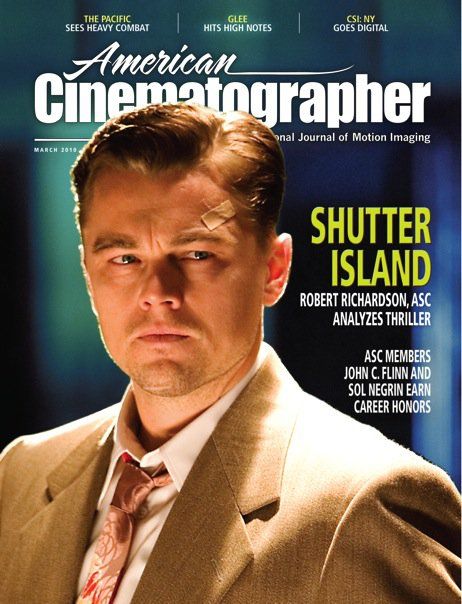
On cover:
February - Vol. 92 #2

On cover:
January- Vol. 92 #1
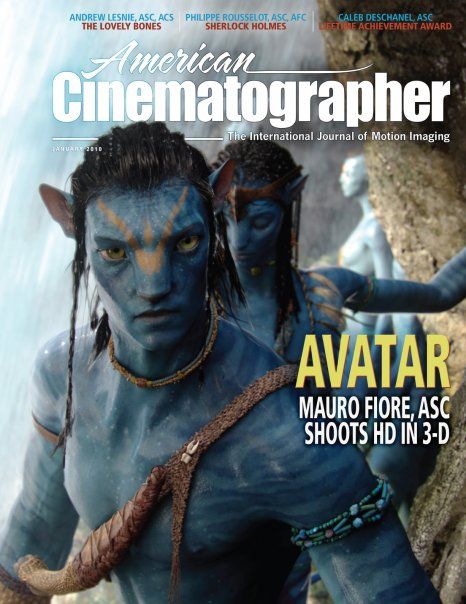
On cover:
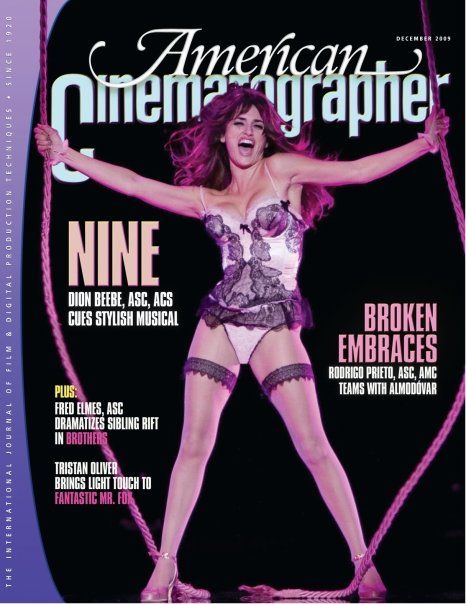


November

October

September

August

July
June - Vol. 90 #6

May

April

After taking Frank Miller's graphic novel 300 from the printed page to the silver screen, director Zack Snyder and cinematographer Larry Fong set their sights on the comic-book world's holy grail, Watchmen, written by Alan Moore and drawn by Dave Gibbons. Set in a version of 1985 in which Richard Nixon still inhabits the White House and masked vigilantes have been outlawed by an act of Congress, the plot follows a group of embittered superheros who are being killed off one by one as the world teeters on the brink of nuclear Armageddon. Along with production designer Alex McDowell, visual-effects supervisor John "D.J." DesJardin and rigging gaffer Jarrod Tiffen, Snyder and Fong will discuss their approach to this ambitious and hotly anticipated epic.
Knowing
Simon Duggan, ACS used the Red One camera to shoot this mindbending action thriller directed by Alex Proyas (The Crow; Dark City; I, Robot) about a teacher (Nicolas Cage) who opens a time capsule that reveals terrifying predictions about the future - and sets out to prevent them from coming true. Duggan will offer his thoughts on the Red camera's performance on the big-budget production, which shot at various locations in Australia.
Sundance Film Festival
Each January, industry insiders flock to Park City, Utah to attend this key festival, which has launched the careers of many independent filmmakers. AC's team of writers will scout out the most visually compelling entries for our annual roundup, which will spotlight the event's most promising cinematographers.
Restoration of The Robe
The technical wizards at Lowry Digital and Audio Mechanics lent their skills to the digital restoration of this classic 1953 motion picture. The restoration was a collaboration between the Academy Film Archive and 20th Century Fox, with funding from The Film Foundation. AC will offer an overview of the complex undertaking with analysis by the principals involved. "As the first CinemaScope film, The Robe represents an important milestone in cinema history," says Schawn Belston, vice president of Asset Management and Film Preservation at 20th Century Fox. "The restoration of the film was a unique and complicated challenge."
The April issue's departments also offer illuminating insights:
Production Slate presents an interview with cinematographer Sean Bobbitt about his work on the acclaimed IFC Films drama Hunger and Brandon Trost about his use of digital video cameras on Crank 2: High Voltage.
Post Focus offers an overview of the new Autodesk Lustre and an inside look at the postproduction work by Digital Jungle on the mixed-format indie film My Suicide.
ASC Close-Up offers a profile of Society member Thomas Ackerman, whose credits as a cinematographer include the features Beetle Juice, Christmas Vacation, Jumanji, The Muse, Anchorman: The Legend of Ron Burgundy, Scary Movie 4 and Superhero Movie.
After taking Frank Miller's graphic novel 300 from the printed page to the silver screen, director Zack Snyder and cinematographer Larry Fong set their sights on the comic-book world's... more

March

Romeo Tirone earned a 2008 Emmy Award nomination for his striking cinematography on this popular and critically acclaimed series, which tracks the movements of a Miami forensics expert who also happens to be a justice-seeking serial killer. Tirone takes AC behind the scenes to reveal his methods on the show's various locations and Los Angeles-based sets.
The Unusuals
Roy Wagner, ASC tailors the imagery on this brand-new TV series, following the blueprint laid down in the pilot by fellow Society member Peter Levy, ASC, ACS. The show follows the drama and comic insanity encountered by a female detective (Amber Tamblyn) who is transferred to the NYPD's homicide unit, where she and her partner (Jeremy Renner) work on cases with the department's eccentric cast of characters. Both Wagner and Levy assess their contributions to the program's look.
True Blood
Matt Jensen creates an appropriately Gothic ambience for this Louisiana-based vampire drama from executive producer Alan Ball (Six Feet Under), in which a barmaid (Anna Paquin) with the ability to read people's minds finds herself romantically entangled with a brooding, courtly bloodsucker (Bill Compton). Jensen outlines his approach to the show's Southern milieu and undead characters.
Life on Mars
Working from the style created in a Pilot shot by fellow ASC member Kramer Morgenthau, Frank Prinzi and Craig DiBona share the visual workload on this distinctive-looking detective series, in which a present-day cop (Jason O'Mara) is transported back in time to the year 1973 after being hit by a car. All three cinematographers details the techniques used to transport viewers back in time.
ASC Career Achievement in Television Award
The Society honors the stellar accomplishments of Robert Liu, ASC, when he receive this prestigious award during the annual ASC Outstanding Achievement Awards gala, that was held at the Century Plaza Hotel in Los Angeles.
Liu's career highlights include a 1982 Emmy Award nomination for Outstanding Cinematography that recognized his work on the dramatic series Lou Grant, and a 1989 Emmy nomination for Outstanding Lighting Direction on the popular sitcom Family Ties. His resume also includes stints as director of photography on the comedy series The Nanny and The Steve Harvey Show, as well as considerable experience as a camera operator on many landmark TV shows, including Little House on the Prairie, The Rockford Files, Columbo, The White Shadow, The Bob Newhart Show, Baretta, The Incredible Hulk and many others.
All of these accomplishments and more were saluted in a piece penned by David Heuring.
ASC Presidents Award
Isidore Mankofsky, ASC be feted by his peers for his many accomplishments as a cinematographer in both the television and feature-film realms. Over the course of his impressive career, Mankofsky has earned many awards for his work, including an ASC Award for the 1983 TV miniseries Trade Winds; ASC Award nominations for the miniseries Love, Lies and Murder and the telefilm Davy Crockett: Rainbow in the Thunder; and three Emmy Award nominations, for Love, Lies and Murder and the telefilms Afterburn and Polly.
His long list of credits includes the theatrical features The Muppet Movie, Somewhere in Time, The Jazz Singer, Better Off Dead and Skin Deep, along with many teleproductions, including Jacqueline Bouvier Kennedy, In the Custody of Strangers, Hobson's Choice, The Burning Bed, Stompin' at the Savoy and The Heidi Chronicles.
Mankofsky's achievements be chronicled in a biographical tribute written by Douglas Bankston.
The March issue's departments also offer illuminating insights:
Short Takes break down the innovative approach cinematographer Khristian Olivares Puya took to the experimental music video 'Clap Your Brains Off' for the band No Somos Machos Pero Somos Muchos (NSMPSM).
Production Slate presents an interview with cinematographer Marco Onorato about his work on the award-winning Italian Mafia film Gomorrah; this section will also offer the thoughts of Japanese cinematographer Akiko Ashizawa and director Kiyoshi Kurosawa about their collaboration on the acclaimed drama Tokyo Sonata.
Filmmakers' Forum offers a firsthand account by Peter Sova, ASC about his work in Hong Kong on the action-packed sci-fi thriller Push, directed by Sova's longtime collaborator Paul McGuigan (Gangster No. 1, Lucky Number Slevin).
ASC Close-Up offers a profile of Society member Peter Wunstorf, whose credits as a cinematographer include pilots for the television series Millennium, Dark Angel and Smallville, as well as the TV movie Mob Princess and the upcoming feature film Surveillance.
Romeo Tirone earned a 2008 Emmy Award nomination for his striking cinematography on this popular and critically acclaimed series, which tracks the movements of a Miami forensics expert... more

February
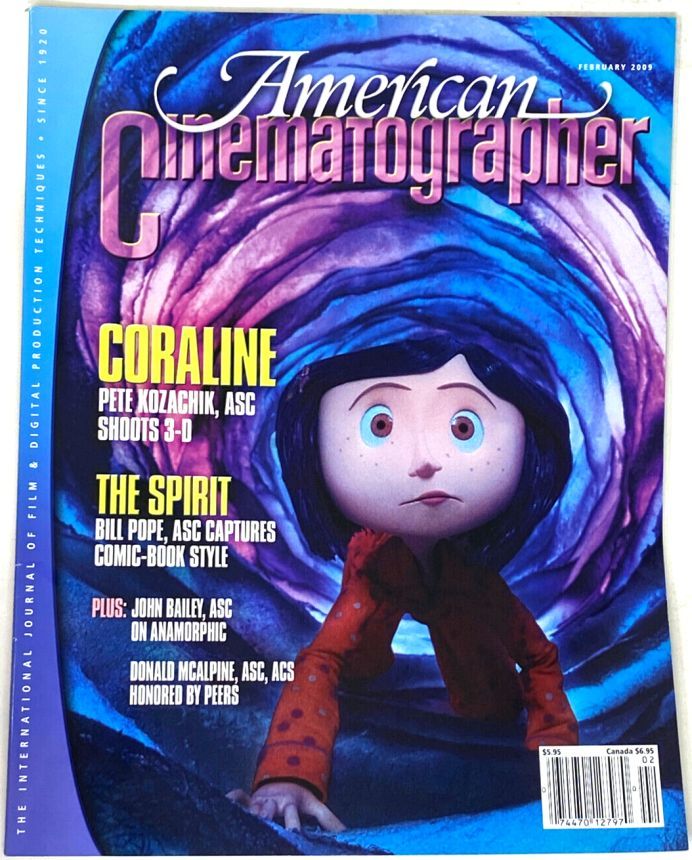
Creative talents from all over the world have spent the last two years in Oregon working on Coraline, the first 3-D digital stop-motion-animated feature. Based on Neil Gaiman's creepy tale about a girl who discovers a dangerous, hidden world behind the walls of her new home, Coraline is the third feature collaboration between director Henry Selick and cinematographer Pete Kozachik, ASC, who previously teamed on The Nightmare Before Christmas and James and the Giant Peach. Kozachik has penned a first-person account of this groundbreaking production for AC.
The Spirit
After his apparent murder, idealistic sleuth Denny Colt dons a mask, fedora and red tie and exacts revenge on the underworld as the vigilante known as the Spirit. Based on the comic-book series created by Will Eisner in 1940, the film marks the solo directorial debut of Frank Miller, who enlisted cinematographer Bill Pope, ASC and visual-effects supervisor Stu Maschwitz to help lead the production through its technological twists and turns. Pope details the benefits and challenges of shooting the movie primarily against greenscreen with a mix of Panavision's Genesis camera and Vision Research's Phantom HD high-speed camera. AC's coverage also includes an interview with Maschwitz explaining the project's color pipeline and visual-effects workflow, which includes 10 vendors from around the globe.
He's Just Not That Into You
In a Q&A with New York correspondent Patricia Thomson, cinematographer John Bailey, ASC discuss his work on the ensemble comedy He's Just Not That Into You and explains why the picture was well-suited to his favorite format, anamorphic 2.40:1. 'One of the things I love about anamorphic in a character-driven dialogue film is that you use much longer lenses [than with Super 35mm], so you have more control of the background,' he says. 'Being able to throw the background out of focus really helps you be present with the actor.' After lobbying Panavision to develop more anamorphic lenses, Bailey was able to benefit from two new ones, both zoom lenses, on the show. 'Panavision's new anamorphic lenses have been quite successful, and I think the company is having a difficult time supplying enough of them to meet demand,' he notes. 'There is no anamorphic-lens system in the world as good as Panavision's.'
ASC International Award
Australian-born cinematographer Donald McAlpine, ASC, ACS received the ASC International Award at the 23rd annual ASC Awards ceremony, held in Los Angeles on February 15, 2009. The International Award is one of the Society's most prestigious honors, presented annually to an individual cinematographer who was born on foreign soil and whose work reflects the highest standard of excellence. McAlpine's long and varied list of credits certainly meets this criterium. His early Australian credits include The Adventures of Barry McKenzie, Don's Party, My Brilliant Career (which led to his being named Cinematographer of the Year by the Australian Cinematographers Society) and Breaker Morant (which won an Australian Film Institute Award); his Hollywood resume includes the major studio features Moscow on the Hudson, Predator, Parenthood, Patriot Games, Mrs. Doubtfire, Clear and Present Danger, Romeo + Juliet (for which he received an Award of Distinction from the ACS), Moulin Rouge! (which won an Australian Film Institute Award and earned him both Academy Award and BAFTA nominations) and The Chronicles of Narnia: The Lion, the Witch and the Wardrobe.
The February issue's departments also offer illuminating insights:
Short Takes offers cinematographer Thomas Kloss's account of his partnership with director Francis Lawrence (Constantine) on a kinetic music video for the song "Circus" by Britney Spears.
Production Slate present an interview with cinematographer Frank Griebe about the aptly titled thriller The International, which was shot throughout Europe - in Germany, Italy and Turkey - and also in New York. This section of the magazine also offer an intriguing look at a test film (titled Reverie) shot by cinematographer Vincent Laforet with Canon's EOS 5D Mark II SLR camera, which offered impressive latitude in nighttime shooting situations..
Post Focus reports on Lowry Digital's recent restoration of the 1920 art film Manhatta, which takes viewers on a strikingly photographed 10-minute tour of period life in New York City.
ASC Close-Up profile Society member Peter Suschitzky, whose extensive resume includes The Rocky Horror Picture Show, Star Wars: Episode V - The Empire Strikes Back and many films for director David Cronenberg, including Dead Ringers, Naked Lunch, Crash, eXistenz, Spider, A History of Violence and Eastern Promises.
Creative talents from all over the world have spent the last two years in Oregon working on Coraline, the first 3-D digital stop-motion-animated feature. Based on Neil Gaiman's... more

January

Based on the novel by Richard Yates, Revolutionary Road depicts the crumbling marriage of an appealing young couple (played by Leonardo DiCaprio and Kate Winslet) who appear to have it all. The picture, set in 1955, reunited director Sam Mendes and cinematographer Roger Deakins, ASC, BSC, and marks a dramatic departure from their first collaboration, Jarhead (2005). Roger's selflessness in adapting his style to the requirements of the story at hand is remarkable - and it is selflessness, Mendes tells AC senior editor Rachael K. Bosley. He's a master at cutting a suit according to its cloth. For this story, says Deakins, the key was simplicity. It's a film about a marriage falling apart in this supposedly idyllic suburbia, he says. When you've got a story like that and two great actors, you want to see them act; you don't need or want to do anything that messes about with that. AC's coverage includes an interview with set decorator Debra Schutt, who was tasked with locating or creating the practicals that were integral to Deakins lighting scheme.
The Curious Case of Benjamin Button
Claudio Miranda discusses his collaboration with director David Fincher on this visually ambitious adapation of F. Scott Fitzgerald's 1922 short story about a man who ages backwards with strange and surreal consequences. Miranda explain his aesthetic approach to the eight decades depicted in the film, and also offers his thoughts on working with the Thomson/Grass Valley Viper FilmStream camera and workflow.
Defiance
Eduardo Serra, ASC, AFC went on location to the Republic of Lithuania with writer/director Ed Zwick to shoot this epic World War II drama. The film tells the tale of three Jewish brothers who escape from Nazi-occupied Poland into the Belarussian Forest, where they join Russian resistance fighters in an attempt to build a village that will help protect themselves and others. Serra discusses the production's location work and his working relationship with Zwick, for whom he previously shot Blood Diamond.
ASC Lifetime Achievement Award
Jack Green, ASC received the ASC Lifetime Achievement Award at the 23rd Annual ASC Awards ceremony that was held in Los Angeles on February 15, 2009. The Lifetime Award is the Society's highest honor, presented annually to an individual cinematographer who has demonstrated a commitment to excellence over an entire career. Green certainly meets the criterium. He has shot many films for actor/director Clint Eastwood, including Unforgiven (for which he earned Academy Award and BAFTA nominations), The Bridges of Madison County (for which he received an ASC Award nomination), Bird, The Dead Pool, White Hunter Black Heart, The Rookie, A Perfect World, Midnight in the Garden of Good and Evil, True Crime and Space Cowboys. His other credits include Pink Cadillac, Rookie of the Year, The Net, Twister, Speed 2: Cruise Control, Secondhand Lions, 50 First Dates, The 40-Year-Old Virgin and My Best Friend's Girl. Rachael Bosley, AC contributor Jon Silberg will pen a comprehensive overview of Green's life and work.
The January issue's departments also offer illuminating insights:
Short Takes breaks down the innovative approach cinematographer Raoul Germain took to the art installation Triangle of Need, which he shot in a variety of different formats.
Production Slate includes an interview with Sal Totino, ASC about this photography for the intense drama Frost/Nixon, directed by Ron Howard. We also seek out cinematographer Maryse Alberti, director Darren Aronofsky and members of their crew to discuss the critically acclaimed indie drama The Wrestler.
Post Focus presents a step-by-step account of how FotoKem helped director Beth McElhenny and cinematographer Chun Ming Huang transfer their short film Still Me from the MiniDV format to 35mm in order to meet the technical requirements for Academy Award consideration.
ASC Close-Up offers a profile of cinematographer Gabriel Beristain, ASC, BSC, whose feature-film credits include Dolores Claiborne, The Spanish Prisoner, Blade: Trinity, The Ring Two and The Invisible.
Based on the novel by Richard Yates, Revolutionary Road depicts the crumbling marriage of an appealing young couple (played by Leonardo DiCaprio and Kate Winslet) who appear... more

December

November

October

Alexander Witt was promoted to director of photography on this show by director Ridley Scott after gaining years of experience as a second-unit director/director of photography on major features such as The Bourne Identity and Casino Royale, as well as Scott's Gladiator, Hannibal and American Gangster. Witt discusses the challenges and responsibilities of his new position on Body of Lies, a political thriller in which a former journalist injured in the Iraq war (Leonardo DiCaprio) is hired by the CIA to track down an Al Qaeda leader in Jordan.
Burn After Reading
Emmanuel Lubezki, ASC, AMC shot this quirky comedy for sibling filmmakers Joel and Ethan Coen when their longtime cinematographer, Roger Deakins, ASC, BSC, was unavailable. Although Deakins undoubtedly resume his collaboration with the Coens in the near future, Lubezki proved an able ally and will share his own insights about the duo's working methods. Presenting a comic contrast to Body of Lies, the Coens' comedy concerns an embittered CIA analyst (John Malkovich) blackmailed by a pair of foolhardy fitness trainers (Brad Pitt and Frances McDormand) and cuckolded by a federal marshal (George Clooney) who is sleeping with his wife (Tilda Swinton).
City of Ember
Xavier Perez Grobet teamed with director Gil Kenan on this adventure fantasy about an amazing world of glittering lights threatened by a power failure that could thrust its inhabitants into perpetual darkness. Grobet details his work on the show's spectacular visuals, which were created on sets and locations in Northern Ireland.
The Express
Kramer Morgenthau, ASC was behind the camera on this drama based on the remarkable life of college football hero Ernie Davis, who overcame incredible hardships to become the first African-American to win the Heisman Trophy. Morgenthau reveals his game plan for the show's football scenes, as well as his approach to the film's early-1960s settings.
The October issue's departments also offer illuminating insights:
Short Takes offers details on a new series of humorous DirecTV ads inspired by famous movies, including Terminator 2, Aliens, Misery and the Star Trek films.
Production Slate presents an interview with Fernando Arguelles about his cinematography for the tense television series Prison Break. This section also offer insights from cinematographer Jeff Seckendorf about his experience shooting live-action elements that helped dictate the look of the new Electronic Arts videogame Need for Speed.
Post Focus offers an in-depth overview of the ASC Color Decision List (CDL), with input from key members of the ASC Technology Committee.
ASC Close-Up offers a profile of cinematographer Ross Berryman, ASC, ACS, whose credits include the TV series Ugly Betty and Angel.
Alexander Witt was promoted to director of photography on this show by director Ridley Scott after gaining years of experience as a second-unit director/director of photography... more

September

Gyula Pados (whose credits as a cinematographer include the dramas Kontroll and Evening) was behind the camera on this period drama, which chronicles the life of 18th-century aristocrat Georgiana, Duchess of Devonshire (played by Keira Knightley), who was reviled for her extravagant political and personal lives. Pados details his work at locations throughout England.
Blindness
Cesar Charlone, ABC reteamed with director Fernando Meirelles on this drama about a mysterious affliction that causes an entire city to go blind. The filmmakers discuss their decision to shoot in multiple formats (including 65mm VistaVision) at locations in Canada, Uruguay and Brazil.
No Subtitles Necessary: Laszlo & Vilmos
James Chressanthis, ASC collaborated with director of photography Anka Malatynska and other cinematographers on this documentary about two of the ASC's favorite sons: Hungarian cameramen Vilmos Zsigmond and Laszlo Kovacs, who chronicled the Hungarian revolution during their youth and made a dangerous pilgrimage to the United States to present their work. Their experiences during and after this adventure led to a lifelong friendship and careers as top Hollywood cinematographers. To get the whole story, Chressanthis interviewed a slew of prominent entertainment-industry veterans who befriended and worked with the duo, including Jon Voight, Sandra Bullock, Sharon Stone, Rachel Miner, Dennis Hopper, Barbra Streisand, John Williams, Karen Black, Peter Bogdanovich, Richard Donner, Irwin Winkler and Mark Rydell.
Lola Montes restoration
This in-depth article details the extensive restoration of director Max Oph?ls' final masterwork, released in December 1955. The picture became known as one of cinema history's most abused and neglected films after being chopped up, mutilated and re-edited against Oph?ls' wishes. The ambitious restoration was guided by Oph?ls' son, Marcel, and realized through a collaboration involving Fran?ois Ede (who had previously worked on the restoration of Jacques Tati's Playtime), the Thomson Foundation (which provided access to the Technicolor laboratory in Burbank, California) and the Franco-American Cultural Fund.
The September issue's departments also offer illuminating insights:
Global Village recaps the lavish 50th anniversary celebration staged in Sydney, Australia by the Australian Cinematographers Society (ACS). AC's Australian correspondent, Simon Gray, Offer a firsthand account of the festivities, which he attended in late May.
Short Takes offers thoughts from Hiro Narita, ASC about the stylish noir cinematography he lent to the 25-minute short film A Perfect Place.
Production Slate presents an interview with cinematographer Igor Martinovic about Man on Wire, an award-winning documentary about Philippe Petit, who thrilled the world in the summer of 1974 when he snuck to the top of the World Trade Center towers and performed the greatest high-wire walk in history. This section also present details about The Last Enemy, a British miniseries shot by Nigel Willoughby and directed by Iain MacDonald.
Post Focus spotlight the anti-terror PSAs "Alley" and "Match," directed by ASC member Jan DeBont and shot by Amir Mokri, with visual effects by Ntropic. The spots were produced for NoTerror.Info, an organization that campaigns against terrorism in Iraq.
ASC Close-Up offers a profile of cinematographer and visual-effects supervisor Pete Kozachik, ASC, a stop-motion expert whose credits include The Nightmare Before Christmas, James and the Giant Peach, Corpse Bride and the upcoming feature Coraline.
Gyula Pados (whose credits as a cinematographer include the dramas Kontroll and Evening) was behind the camera on this period drama, which chronicles the life of 18th-century aristocrat... more

August

Bill Roe, ASC reteamed with director and X-Files series creator Chris Carter on the second feature thriller based on the wildly popular TV show. In this installment, former FBI agents Fox Mulder (David Duchovny) and Dana Scully (Gillian Anderson) return to help the Bureau investigate a series of mysterious disappearances in Virginia. The X-Files earned a record 10 ASC Award nominations during its nine seasons on the air, and five of those nominations were notched by Roe, who won twice (in 1998 and 1999). In an interview with AC senior editor Rachael K. Bosley, the cinematographer explains how he transposed the X-Files mantra of "lighting for darkness" to the big screen, and Carter, executive producer/co-writer Frank Spotnitz and key crew members discuss aspects of the ambitious wintertime shoot, which took The X-Files "home" to Vancouver, British Columbia.
Mamma Mia!
Haris Zambarloukos combined studio work in England with location shoots in Greece on this big-screen adaptation of the international hit musical, which is built on the ear-pleasing pop songs of Swedish supergroup ABBA. Starring Meryl Streep, Pierce Brosnan, Colin Firth and Stellan Skarsg?rd, the scenic romance tells the story of a bride-to-be (Amanda Seyfried) who tries to determine the identity of her real father by inviting three of her mother's former lovers to the wedding. Zambarloukos discusses how he executed the movie's musical interludes and maximized the impact of its breathtaking locations.
The Mummy 3: Tomb of the Dragon Emperor
Simon Duggan, ACS worked to integrate cutting-edge CG effects into live-action photography in the third installment of the popular Mummy franchise. This time around, adventurer Rick O'Connell (Brendan Fraser) and his son, Alex (Luke Ford), travel to the Far East to unearth the mummy of the first Emperor of Qin (Jet Li) - who has been transformed into a shape-shifting entity by a centuries-old curse. Duggan and the movie's effects experts discuss their collaboration, with an emphasis on the techniques they employed to create the villain's memorable transformations.
Journey to the Center of the Earth 3D
Director of photography Chuck Shuman was the point man on this 3D adventure film, in which a scientist (Brendan Fraser), his nephew (Josh Hutcherson) and their mountain guide (Anita Briem) attempt to learn the fate of the scientist's missing brother, only to fall into a fantastic and dangerous lost world at the center of the planet. Shuman worked closely with effects experts from various companies to produce eye-popping 3-D images, and our coverage offers a detailed overview of the stereoscopic techniques they employed.
The August issue's departments also offer illuminating insights:
Short Takes presents interviews with filmmakers Aaron Stewart and Shawn Kim about their collaboration on a music video for Death Cab for Cutie's "I Will Possess Your Heart."
Production Slate offers insights from two cinematographers: Tim Orr, who captured relentless mayhem for the stoner action-comedy Pineapple Express, and Reed Dawson Moreno, who shot Frozen River, which earned the Grand Jury Prize at the 2008 Sundance Film Festival.
Post Focus gives readers a step-by-step look at the Dalsa 4K workflow employed on the comedy-drama Reach for Me, shot by Kris Krosskove for director LeVar Burton.
ASC Close-Up offers a profile of John Bartley, ASC, CSC, whose credits include many episodes of the TV series Lost and The X-Files.
Bill Roe, ASC reteamed with director and X-Files series creator Chris Carter on the second feature thriller based on the wildly popular TV show. In... more

July
June
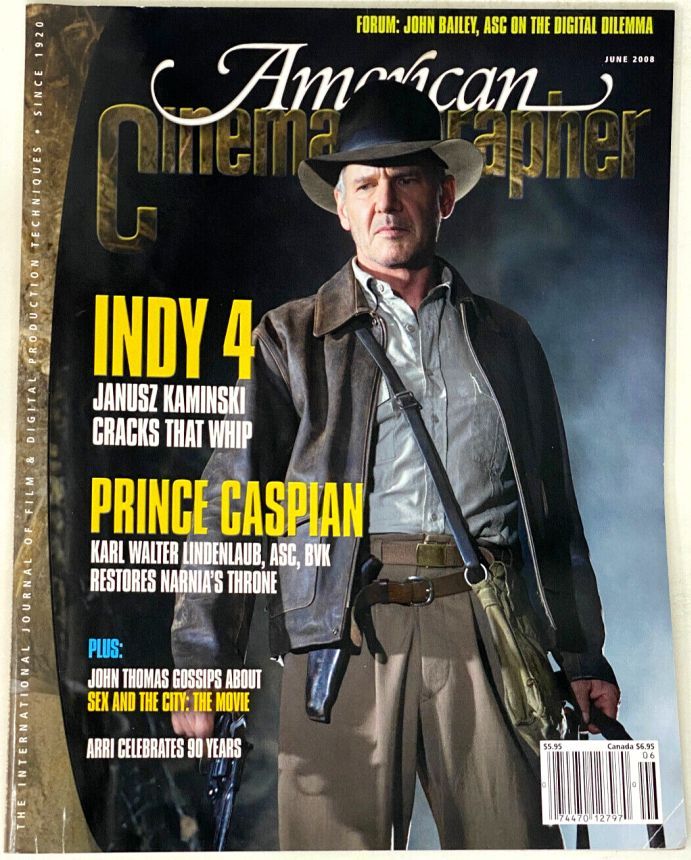
Janusz Kaminski discusses the creative strategies he and director Steven Spielberg brought to the summer's most hotly anticipated blockbuster, in which Harrison Ford reprises his iconic role as swashbuckling archeologist Indiana Jones. This time around, an older but wiser Indy battles agents of the Soviet Union, including the ruthless agent Irina Spalko (Cate Blanchett), for possession of an artifact known as the crystal skull. Assisting our hero in his adventures are his old flame Marion Ravenwood (Karen Allen), teenaged greaser Mutt Williams (Shia LeBeouf) and fellow archeologist Mac (Ray Winstone). Kaminski and his crew offer a detailed account of the epic production and their technical approach to the film's visual style, which will honor the look of the previous films in the beloved Indy series.
The Chronicles of Narnia: Prince Caspian
Karl Walter Lindenlaub, ASC was behind the camera on the second Narnia film, continuing the fantastic journey begun by fellow ASC member Donald McAlpine on the 2005 movie The Lion, the Witch and the Wardrobe. The sequel brings the Pevensie siblings back to the magical land of Narnia, where they help to ward off an evil king and restore the rightful heir to the kingdom's throne, Prince Caspian. Lindenlaub explains how he integrated his live-action footage with the project's dazzling array of visual effects.
Sex and the City: The Movie
John Thomas reunited with America's favorite gaggle of urban gal-pals - Carrie Bradshaw (Sarah Jessica Parker), Samantha Jones (Kim Cattrall), Miranda Hobbes (Cynthia Nixon) and Charlotte York Goldenblatt (Kristin Davis) - on this big-screen version of the popular HBO comedy series. Thomas tells AC how he made the most of the movie's New York settings and kept the actresses looking their very best.
Arri's 90th Anniversary
AC historicals writer Robert S. Birchard traces the rich history of Arriflex as the German film and television Service Company celebrates nine decades of success. Birchard offers a comprehensive overview of Arri's rise from its early roots as a production company to its current status as an influential leader in the global entertainment industry.
The June issue's department also offers illuminating insights:
Short Takes presents an interview with cinematographer Chris Lytwyn about his work on the music video "100 Days," which he filmed for the soul group Sharon Jones and the Dap-Kings. To give the video a 1960s period feel that reflects the group's classic sound, Lytwyn lend the shot with original Sixties black-and-white tube cameras and used vintage lighting units.
Production Slate offers insights from cinematographer Sergei Trofimov about his work on the Russian historical epic Mongol, which dramatizes the early years of 13th-century conqueror Genghis Khan, and Michael Jacob Kerner, who shoots the Discovery Channel archeology show Bone Detectives in a variety of far-flung and often perilous locations.
Post Focus examines Fotokem's 3-D workflow for the Imax film Wild Ocean, as well as Gamma & Density Co.'s incorporation of the ASC's Color Decision List (CDL) standards in its 3cP on-set color-correction system.
Filmmakers' Forum offers an article by John Bailey, ASC on cinematographers' efforts to maintain control over their images.
Janusz Kaminski discusses the creative strategies he and director Steven Spielberg brought to the summer's most hotly anticipated blockbuster, in which... more

On cover:
May

Matthew Libatique, ASC helped director Jon Favreau bring this classic Marvel Comics character to the silver screen. Shooting in Playa Vista and Downey Studios and on locations ranging from Los Angeles' Disney Concert Hall to Las Vegas' Caesars Palace, the filmmakers pulled out all the stops to tell the story of Tony Stark (Robert Downey Jr.), a millionaire playboy and weapons manufacturer who puts himself inside his technology to battle crime and his old business partner, Obadiah Stane (Jeff Bridges). Libatique and co. takes readers into Stark's secret headquarters to reveal how they created the hero's high-tech milieu.
Speed Racer
David Tattersall, BSC discusses his recent collaboration with the Wachowski brothers (creators of the Matrix trilogy) on this live-action version of the popular 1960s Japanese animated series. Speed Racer was produced in Germany at Babelsberg Studios, where filming took place entirely against greenscreen. The Wachowski brothers filmed in high-definition video for the first time; to give the film the appearance of real-life anime, they employed special techniques to keep both the foreground and background of scenes in focus. Tattersall offers AC full details about the groundbreaking approaches he and the Wachowskis brought to the project.
The List
Dante Spinotti, ASC, AIC was behind the camera on this adult drama about an accountant (Ewan McGregor) who is introduced to a mysterious sex club by his lawyer friend (Hugh Jackman), which leads him become the prime suspect in a woman's disappearance and a multimillion-dollar heist. Spinotti discusses his experiences working on location in New York and Madrid with first-time director Marcel Langenegger.
ASC/Academy Award winners and nominees
In our annual salute to the year's best cinematography, we offers a pictorial recap of this year's ASC Awards weekend and acknowledge the accomplishments of all the directors of photography who were honored at this year's ASC and Academy Award ceremonies: Roger Deakins, ASC, BSC (No Country for Old Men; The Assassination of Jesse James by the Coward Robert Ford); Robert Elswit, ASC (There Will Be Blood); Janusz Kaminski (The Diving Bell and the Butterfly); and Seamus McGarvey, BSC (Atonement).
Academy Scientific and Technical Awards
We present a full recap of this year's ingenious honorees, whose technical contributions to filmmaking were feted on February 9 during a prestigious dinner at the Beverly Wilshire Hotel in Beverly Hills, California. Included in our coverage are profiles of the evening's major individual award recipients: David A. Grafton, who received the Gordon E. Sawyer Award; David S. Inglish, who earned the John A. Bonner Award; and Jonathan Erland, who took home an Award of Commendation.
The May issue's departments also offers illuminating insights:
Short Takes presents interviews with student cinematographers Andrew M. Davis of Chapman University and Sean Stiegemeier of the American Film Institute, whose respective films The Line and The Butcher's Daughter earned them the Laszlo Kovacs Heritage Award at this year's ASC Awards ceremony.
Production Slate offers insights from Fred Murphy, ASC about his work on the dramatic feature Anamorph.
Post Focus presents a comprehensive look at the recent 4K restorations of all three Godfather films by renowned film preservationist Robert Harris and a team of experts, who received valuable input from Allen Daviau, ASC and the trilogy's director of photography, Gordon Willis, ASC; this section also offers an overview of the latest upgrades to the Avid Media Composer (version 2.7.5), which includes a new function that allows color information, as defined by the ASC CDL (Color Decision List), to be passed through the entire editorial process, from dailies to the digital-intermediate stage.
Filmmakers' Forum offers an article by Levie Isaaks, ASC about his recent experiences teaching cinematography to Iraq War veterans.
Matthew Libatique, ASC helped director Jon Favreau bring this classic Marvel Comics character to the silver screen. Shooting in Playa Vista and Downey Studios and on locations ranging... more

April

Russell Carpenter, ASC (an Oscar winner for Titanic) placed his bets on Panavision's digital Genesis camera while shooting this suspense-filled gambling drama, which is based on the true story of six MIT students who were trained to count cards and subsequently beat Vegas casinos for millions of dollars. Carpenter discusses why he chose to shoot the film digitally and how the Genesis performed. He also details the show's use of previsualization systems provided by the Los Angeles-based company Proof, Inc.
The Ruins
Darius Khondji, ASC, AFC (Seven) revisited the horror genre for this terror-inducing movie, which was adapted from a bestselling novel. The tale concerns a group of friends whose Mexican holiday turns into a nightmare when they visit a remote archeological dig in the jungle, where evil lurks in the ruins. AC's Australian correspondent, Simon Gray, offers a complete overview of the production, which combined location footage shot along Australia's Gold Coast with studio work shot at Warner Roadshow Studios in Queensland.
Principles of 3-D Cinematography
With 3-D productions once again becoming a hot trend in Hollywood, ASC associate member Rob Hummel, the president of Dalsa Digital Cinema, presents a detailed primer on the basic principles of 3-D cinematography. Based on his recent seminar about 3-D production, Hummel's article addresses the do's and don'ts of "in your face" cinema, offering a strong foundation for anyone seeking to explore this special photographic format.
Sundance Film Festival
Each January, industry insiders flock to Park City, Utah to attend this key festival, which has launched the careers of many independent filmmakers. AC's team of writers scouts out the most visually compelling entries for our annual roundup, which spotlight the event's most promising cinematographers.
The April issue's department also offers illuminating insights:
Short Takes presents interviews with cinematographer Philipp Friesenbichler and director Jorge Valdes-Iga about their stylish short film Milia, which was shot with Arriflex's D-20 digital production camera.
Global Village seeks out cinematographer Benedict Neuenfels, who analyzes his work on The Counterfeiters, Austria's official submission in the foreign-film category of the 2008 Academy Awards.
Production Slate offer insights from Chris Doyle, HKSC about his work on Gus Van Sant's dramatic feature Paranoid Park and Darren Genet about his cinematography for the indie thriller All the Boys Love Mandy Lane.
Filmmakers' Forum offers an article by Steven Fierberg, ASC about digital cinematography for the indie feature Searchers 2.0, a postmodern take on the classic John Ford Western.
Russell Carpenter, ASC (an Oscar winner for Titanic) placed his bets on Panavision's digital Genesis camera while shooting this suspense-filled gambling drama, which is based on the true story... more

March

Phil Abraham (who shared cinematography duties with Alik Sakharov, ASC on The Sopranos) is responsible for the images in this stylish new series, which recently earned a Golden Globe nomination in the Best Television Series (Drama) category. Created by Sopranos writer/producer Matthew Weiner and set during the early 1960s, the show follows the drama at a top New York advertising agency, focusing on one of the firm's most talented executives, the mysterious Donald Draper (Jon Hamm). Abraham reveals the strategies he uses to perfect the show's evocative period ambience.
The Spiderwick Chronicles
Caleb Deschanel, ASC joined forces with director Mark Waters to envision this story of a family that is suddenly thrust into a magical realm that normally exists just out of sight. Based on the popular series of books by Holly Black and Tony DiTerlizzi, the film follows brothers Jared and Simon Grace (both played by Freddie Highmore) and their sister Mallory (Sarah Bolger) as they unlock the long-hidden secrets of Arthur Spiderwick (David Strathairn), which they must then protect from an army of dark forces led by the evil Mulgrath (voiced by Nick Nolte). Deschanel reveal a few secrets of his own as he describes how he grounded this fantastical tale in a recognizably real world.
Cloverfield
Michael Bonvillain, ASC helped director Matt Reeves try a new take on the monster movie with this scary vision of New York City under siege. The duo brought intriguing creative strategies to the time-honored terrors of a "hideous creature run amok": there is no traditional scene coverage, no score, and the entire story unfolds over the course of just 7 or 8 hours. Working on a short schedule of 33 days (with just 3 days of additional shooting), the filmmakers shot parts of the picture with Panasonic's AG-HVX200 "prosumer" HD camcorder to lend a documentary-like realism to the fantastic events onscreen. Scenes involving visual effects were shot with either a Thomson/Grass Valley Viper or Sony's new F23 CineAlta 24P camera, and a few sequences were even captured with a consumer-grade Panasonic camcorder. Bonvillain gives a full rundown of his approach to AC assistant editor Jon D. Witmer.
Desperate Housewives
Lowell Peterson, ASC mans the camera on this satirical and wildly popular series, which concerns the trials and tribulations of a group of female friends in the fictional suburban neighborhood of Wisteria Lane. Peterson discusses television logistics and his approach to keeping the show's beautiful stars (Teri Hatcher, Felicity Huffman, Marcia Cross, Eva Longoria Parker and Nicollette Sheridan) looking their very best.
Bones
Gordon Lonsdale lends suspense to this hit series, in which a cynical forensic anthropologist (Emily Deschanel) and a cocky FBI agent (David Boreanaz) team up to solve long-ago murders - while trying to circumvent bureaucratic red tape, corruption and other obstacles. Lonsdale details the approaches he and his crew use to create feature-film panache on a television schedule.
ASC Career Achievement in Television Award
The Society honors the stellar accomplishments of George Spiro Dibie, ASC on January 26, were he receives this prestigious award during the annual ASC Outstanding Achievement Awards gala, which was held in the Grand Ballroom of the Hollywood and Highland complex.
Dibie's career highlights include five Emmy Awards and seven additional nominations for multi-camera, episodic television series between 1985 and 1998. His award-winning programs were Mr. Belvedere (1985), Growing Pains (1987 and 1991), Just the Ten of Us (1990) and Sister, Sister (1995). The other nominations were for Night Court (1986 and 1988), Growing Pains (1992), Dudley (1993) and Sister, Sister (1996, 1997, and 1998).
Dibie worked on six television series that broke through the 100-episode barrier, beginning with Barney Miller in 1975. Along the way, he compiled between 1,500 and 2,000 hours of situation-comedy credits on primetime television. He shot every Warner Bros. pilot for multi-camera series over a 10-year span, including My Sister Sam, Head of the Class, Murphy Brown, Driving Miss Daisy and The Trouble With Larry. He also shot between 60 and 70 television movies, including a number of programs for a regular, late-evening drama series called The ABC Armchair Mysteries.
In 1984, Dibie was elected second vice president of the Los Angeles Local for cinematographers and soon stepped up to president, a post he held for 20 consecutive years. During this remarkable span, the country's three regional organizations were merged into the International Cinematographers Guild, Local 600.
All of these accomplishments and more will be saluted in a piece penned by frequent AC contributor Jon Silberg.
The March issue's departments also offers illuminating insights:
Short Takes offers an interview with pioneering video artist Bill Viola, who has been instrumental in the establishment of video as a vital form of contemporary art. Viola offers particular insights into his video installation Oceans Without a Shore, which was recently unveiled in the atmospheric Church of San Gallo during the 52nd Venice Biennale art exhibition.
Production Slate offers an interview with cinematographer Oleg Mutu about his work on the film 4 Months, 3 Weeks and 2 Days, which won the Palme d'Or at the 2007 Cannes Film Festival and the FIPRESCI Film of the Year award at the San Sebasti?n Film Festival. This section also present a piece on the intriguing lighting challenges faced by cinematographer Jean-Philippe Bourdon and lighting designer Matthieu Larivee as they helped stage the PBS musical special Beladi: A Night at the Pyramids, featuring Canadian singer Chantal Chamandy and the Cairo Symphony Orchestra. AC executive editor Stephen Pizzello traveled to Egypt to see the show and talk with both men about their approach to this unique television spectacle.
Post Focus presents an overview of the intriguing workflow used during production and post of the independent movie Sibling, shot by cinematographer Aaron Medick. Medick shot the project with Thomson/Grass Valley's Viper camera, capturing entirely to 4:4:4 log space on HDCAM SR stock. During post, he worked with digital imaging technician David Satin (Miami Vice, Reign Over Me) to create a set of Look-Up Tables that allowed the creation of different looks for the movie's different time periods.
Filmmakers' Forum offers an article by Steven Fierberg, ASC about his work on the indie feature Searchers 2.0, a postmodern take on the classic John Ford Western.
Phil Abraham (who shared cinematography duties with Alik Sakharov, ASC on The Sopranos) is responsible for the images in this stylish new series, which recently earned a Golden... more

February

Andrew Lesnie, ASC, ACS was behind the camera on this epic big-screen adaptation of Richard Matheson's celebrated science-fiction novel, which has previously been brought to the screen in 1964 (The Last Man on Earth) and 1971 (The Omega Man). This latest retelling revisits the frightening saga of scientist Robert Neville (Will Smith), who may be the last human survivor of a plague that has turned the population into vampiric creatures who torment him after nightfall. Lesnie details his collaboration with director Francis Lawrence (Constantine) and discuss the challenges of creating the film's ambitious, post-apocalyptic settings and landscapes.
Cloverfield
Michael Bonvillain, ASC helped director Matt Reeves try a new take on the monster movie with this scary vision of New York City under siege. The duo brought intriguing creative strategies to the time-honored terrors of a "hideous creature run amok": there is no traditional scene coverage, no score, and the entire story unfolds over the course of 7 or 8 hours. Working on a short schedule of 33 days (with just 3 days of additional shooting), the filmmakers shot most of the picture with Panasonic's AG-HVX200 "prosumer" HD camcorder to lend a documentary-like realism to the fantastic events onscreen. Scenes involving visual effects were shot with either a Thomson Viper or Sony's new F23 CineAlta 24P camera, and a few sequences were even captured with a consumer-grade Panasonic camcorder. Bonvillain gives a full rundown of his approach to AC assistant editor Jon D. Witmer.
ASC International Award
The accomplished career of cinematographer Walter Lassally, BSC reached its peak on January 26, when he receive the ASC International Award during the Society's annual Outstanding Achievement Awards gala, That Was held in the Grand Ballroom of the Hollywood and Highland complex. This prestigious award is reserved for foreign-born cinematographers who have made an enduring contribution to their art form.
Former AC editor David Heuring details Lassally's accomplishments, which spanned 50 years and took him to all corners of the globe. Lassally was a main player in the evolution of the Free Cinema and British New Wave movements in collaboration with Tony Richardson, Karel Reisz, Lindsay Anderson and other directors. He compiled more than 50 feature film credits, including Zorba the Greek, for which he earned a 1965 Academy Award for Best Cinematography. Other notable titles on his resume include A Taste of Honey, The Loneliness of the Long Distance Runner, Tom Jones, Autobiography of a Princess, Heat and Dust and The Bostonians. His cinematography on the latter two pictures earned him BAFTA and British Society of Cinematographers nominations, respectively.
ASC Presidents Award
A true practitioner of movie magic, visual-effects expert Richard Edlund, ASC, Has receive this prestigious honor, which celebrates exceptional contributions to the art and craft of cinema. Ron Magid offer an overview of Edlund's many stellar accomplishments, which include four Academy Awards for his effects work on Star Wars (1977), The Empire Strikes Back (1980), Raiders of the Lost Ark (1981) and Return of the Jedi (1984), and six additional nominations for Poltergeist, 2010, Ghostbusters, Poltergeist II: The Other Side, Die Hard and Alien3. He has also earned three Scientific and Engineering Awards. Earlier this year, the Academy of Motion Picture Arts and Sciences presented Edlund with the coveted John A. Bonner Medal of Commendation in recognition of his significant contributions to the Academy. Edlund has also earned an Emmy for creating visual effects for the original television miniseries Battlestar Galactica (1978), and an additional nomination for Mike Nichols' Angels in America (2003). He has created seamless visual effects for such memorable films as Fright Night, Solarbabies, Ghost, Species, Multiplicity and Air Force One.
The February issue's departments will also offer illuminating insights:
Short Takes offers an interview with filmmakers Carolyn and Andy London about their work on the short film A Letter From Colleen.
Production Slate offers an interview with cinematographer Oleg Mutu about his work on the film 4 Months, 3 Weeks and 2 Days, which won the Palme d'Or at the 2007 Cannes Film Festival and the FIPRESCI Film of the Year award at the San Sebasti?n Film Festival. This section also presents a piece on Dick Pope, BSC's work on the indie drama Honeydripper.
Post Focus profile's two companies that have recently opened new facilities in the Los Angeles area: the postproduction house PostWorks and the boutique visual-effects facility Elicit.
Filmmakers' Forum offers an article by Steven Fierberg, ASC about his work on the indie feature Searchers 2.0, a postmodern take on the classic John Ford Western.
Andrew Lesnie, ASC, ACS was behind the camera on this epic big-screen adaptation of Richard Matheson's celebrated science-fiction novel, which has previously been brought to the... more

January
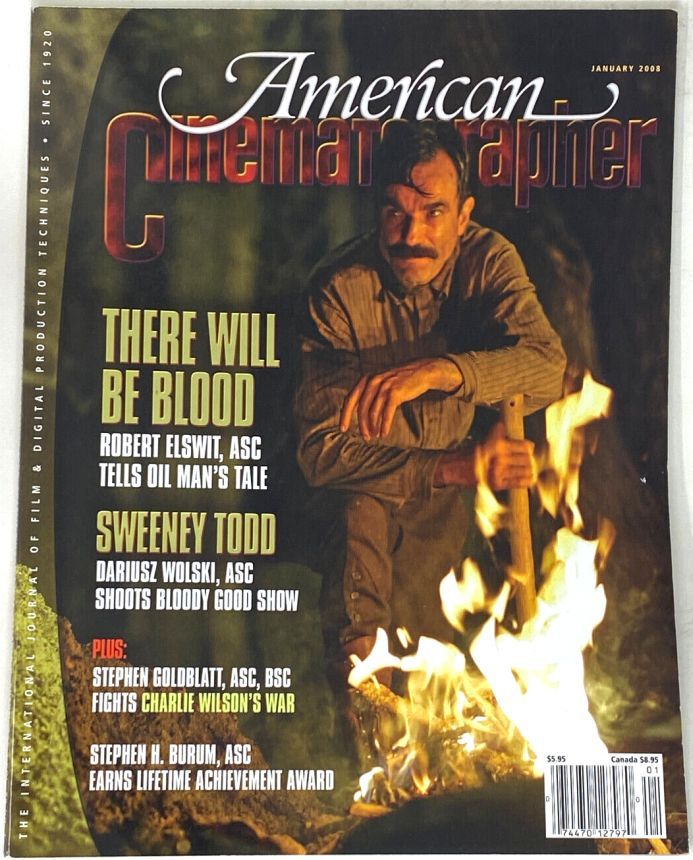
Robert Elswit, ASC reteamed with director Paul Thomas Anderson (Boogie Nights, Magnolia, Punch-Drunk Love) on this audacious period drama about an obsessive oil prospector (Daniel Day-Lewis) whose misanthropic nature leads him into conflicts with a Bible-thumping preacher (Paul Dano) and oil-company executives at the turn of the 20th century. Both Elswit and Anderson gives AC executive editor Stephen Pizzello full accounts on the ambitious project, which presented a variety of practical and philosophical challenges.
Sweeney Todd
Dariusz Wolski, ASC was behind the camera on director Tim Burton's screen adaptation of Stephen Sondheim's acclaimed Broadway musical, which relates the infamous legend of bloodthirsty London barber Benjamin Barker, a.k.a. Sweeney Todd (Johnny Depp), who sets up a sinister partnership with his associate Mrs. Lovett (Helena Bonham Carter). Wolski analyze his role on the highly stylized and visually lush production, which was filmed entirely on stages at Pinewood Studios in England.
Charlie Wilson's War
Stephen Goldblatt, ASC, recently named Hollywood Cinematographer of the Year at the Hollywood Film Festival, Discusses his work with director Mike Nichols on this dramatic feature starring Tom Hanks and Julia Roberts. The plot is based on the true story of Texas congressman Charlie Wilson (Hanks), whose efforts to assist Afghan rebels in their war with the Soviet Union led to the CIA's largest covert operation. Goldblatt discusses his approach to both the photography on set and the show's digital intermediate in post.
The Diving Bell and the Butterfly
Janusz Kaminski discusses his collaboration with director Julian Schnabel on a film that uses some unique means to tell the true story of Elle editor Jean-Dominique Bauby, who suffered a stroke that left his entire body - save for his left eye - almost completely paralyzed. Kaminski took a break from his work with Steven Spielberg on Indiana Jones 4 to detail his technical approach to the film's challenging narrative, which presents a significant portion of the story from Bauby's paralyzed POV.
ASC Lifetime Achievement Award
Stephen Burum, ASC received the ASC Lifetime Achievement Award at the 22nd Annual ASC Awards ceremony, that was held in Los Angeles on January 26, 2008. The Lifetime Award is the Society's highest honor, presented annually to an individual cinematographer who has demonstrated a commitment to excellence over an entire career. Burum certainly meets the criterium. He earned an ASC Award and an Academy Award nomination for the stunning look he lent to the 1992 feature Hoffa, and received two additional ASC nominations for The Untouchables and The War of the Roses. His other credits include Rumble Fish, Body Double, St. Elmo's Fire, Casualties of War, Carlito's Way, Mission: Impossible and Snake Eyes. Rachael Bosley, AC's senior editor, Pen's a comprehensive overview of Burum's life and work.
The January issue's departments will also offer illuminating insights:
Short Takes offers an interview with filmmakers Chris Lavis and Maciek Szczerbowski about their stop-motion film Madame Tutli-Putli, which earned two prizes at the 2007 Cannes Film Festival.
Production Slate offers an interview with Philippe Rousselot, ASC, AFC about his cinematography on the feature The Great Debaters, directed by Academy Award-winning actor Denzel Washington.
Post Focus presents an interview with John Bailey, ASC about his work on the restoration of Terence Malick's visually stunning Days of Heaven, shot by Nestor Almendros, ASC. This section will also feature short articles on Color Symmetry, a suite of plug-ins that allows film "looks" to be emulated within a wide array of animation, graphics and effects packages, and information about PostWorks' new facility Los Angeles facility.
Filmmakers' Forum offers an article by Bill Taylor, ASC about his visual-effects contributions to a videogame company's online promotional campaign.
Robert Elswit, ASC reteamed with director Paul Thomas Anderson (Boogie Nights, Magnolia, Punch-Drunk Love) on this audacious period drama about an obsessive oil prospector (Daniel Day-Lewis)... more

December

Seamus McGarvey, BSC was behind the camera on this romantic drama based on the acclaimed novel by Ian McEwan. The story begins in the summer of 1935, when 13-year-old Briony Tallis (Saoirse Ronan) sets off a chain of events that will alter several lives when she accuses the lover (James McAvoy) of her older sister (Keira Knightley) of a crime he did not commit. McGarvey will reveal his approach to the film's handsome look, which has already earned advance raves from critics.
American Gangster
Harris Savides, ASC teamed with director Ridley Scott on this hard-hitting crime thriller, which is based on the true story of a dogged New York City undercover cop (Russell Crowe) who attempts to bring down Harlem's most powerful and dangerous drug lord (Denzel Washington). Savides will discuss his "old school" approach to the film's visual style, which pays homages to gritty cop dramas of the 1970s.
The Golden Compass
Henry Braham, BSC analyzes his work on this ambitious fantasy/adventure epic, which is based upon His Dark Materials, the first novel in a trilogy by author Philip Pullman. The story centers on young Lyra Belacqua (Dakota Blue Richards), who journeys through a parallel universe to save her best friend and other kidnapped children from terrible experiments being conducted by a mysterious organization. Braham will outline his on-set strategies and his interactions with the show's visual-effects experts.
Tribute to Laszlo Kovacs, ASC
One of the truly great and influential cinematographers of his generation, Laszlo Kovacs, ASC passed away on July 22, 2007. His impressive list of credits includes such memorable films as Easy Rider; Five Easy Pieces; The King of Marvin Gardens; What's Up, Doc?; Paper Moon; Shampoo; Paradise Alley; Shampoo; Ghostbusters; Mask; Say Anything...; and My Best Friend's Wedding. In this tribute piece, AC will honor Kovacs' legacy by presenting comments from some of his key collaborators, as well as a selection of vintage photographs and bits of lasting wisdom from the man himself.
The December issue's departments will also offer illuminating insights:
DVD Playback reviews new DVD versions of the Jean Renoir Collector's Edition Box Set (1925-1962), which features the work of cinematographers Jean Bachelet, Alphonse Gibory, Edmund Corwin, Jean-Paul Alphen, Jean Bourgoin, Alain Douarinou, Jean Louis, Jean-Marie Maillols and Georges Leclerc; If... (1968), shot by Miroslav Ondricek, ASC; and Taxi Driver (1976), shot by Michael Chapman, ASC.
Production Slate offers articles on Before the Devil Knows You're Dead, a crime thriller shot by Ron Fortunato, ASC for director Sidney Lumet, and Redacted, a fictional exploration of the Iraq war shot by Jonathan Cliff for director Brian DePalma.
Short Takes offers an interview with cinematographer Chuck Ozeas about his work on a Toyota commercial shot in Dubai.
Post Focus previews Technicolor's new restoration of the sci-fi classic Blade Runner. This section will also offer information about the postproduction of the BBC television show Torchwood, which is being graded with FilmLight's Baselight 8 at the London branch of the visual-effects company The Mill.
Tomorrow's Technology will present updates from the ASC Tech Committee and its various subcommittees about their progress on a range of important initiatives.
Seamus McGarvey, BSC was behind the camera on this romantic drama based on the acclaimed novel by Ian McEwan. The story begins in the summer of 1935, when 13-year-old... more

November

Ed Lachman, ASC analyzes the intriguing challenges he faced on this adventurous and experimental Todd Haynes feature, which traces the life of musical icon Bob Dylan in unorthodox fashion. Different aspects of Dylan's persona are embodied by various characters played by Christian Bale, Cate Blanchett, Marcus Carl Franklin, Richard Gere, Heath Ledger and Ben Whishaw. Lachman will discuss the full range of looks he crafted for the show, placing a special emphasis on his lighting techniques. He will also discuss his use of both color and black-and-white stocks in multiple formats: 35mm, 16mm, Super 16 and 8mm.
The Kite Runner
Roberto Schaefer, ASC was director of photography on this adaptation of the best-selling 2003 novel by Afghan-American author Khaled Hosseini, who tells the story of Amir, a boy from the Afghanistan town of Kabul who is haunted by the guilt of an incident involving a childhood friend. Schaefer will offer his thoughts on the production, which shot at locations in California and China (standing in for war-torn Afghanistan).
30 Days of Night
Jo Willems was behind the camera on this chiller about a bloodthirsty gang of vampires attacking an Alaskan town that is plunged into darkness for a full month each year. Australian correspondent Simon Gray paid a visit to the set in Auckland, New Zealand to get the full story from Willems, who will discuss his strategies for visually adapting the graphic novel written by Ben Niles and illustrated by Ben Templesmith.
Control
Martin Ruhe crafted gritty, smartly composed black-and-white images for this haunting bio-pic about English rock star Ian Curtis, who fronted the influential alternative band Joy Division before committing suicide by hanging at the age of 23. Ruhe will discuss his evocative approach to this story and his collaboration with Dutch director Anton Corbijn, well-known in the rock world for his photography (he has served as creative director for the bands Depeche Mode and U2, among others) and striking music videos (including Depeche Mode's "Personal Jesus" and Nirvana's "Heart-Shaped Box").
The November issue's departments will also offer illuminating insights:
DVD Playback reviews new DVD versions of Invasion of the Body Snatchers (1978), shot by Michael Chapman, ASC; Flash Gordon (1980), shot by Gilbert Taylor, BSC; and Robocop (1987), shot by Jost Vacano, ASC.
Production Slate offers articles on The Martian Child, shot by Robert Yeoman, ASC, and Sarah Landon and the Paranormal Hour, shot by Andy Keupper.
Points East presents an interview with Harlan Bosmajian about his digital cinematography on the hi-def, Manhattan-based drama Starting Out in the Evening.
Short Takes offers an interview with cinematographer Jim Matlosz about his work on "Slow Dancing," a video installation at Lincoln Center that uses high-definition video technology to show 43 ballet dancers moving at less than 1/100th of their original speed.
Post Focus examines how the digital-intermediate process is being used at LaserPacific to lend a highly stylized look to Pushing Daisies, a new ABC television series shot by Michael Weaver (pilot) and Jamie Anderson (series) for director Barry Sonnenfeld.
Ed Lachman, ASC analyzes the intriguing challenges he faced on this adventurous and experimental Todd Haynes feature, which traces the life of musical icon Bob Dylan in... more

October

September

Oliver Wood gives a full account of his work with director Paul Greengrass (United 93) on the third film in the internationally popular Bourne franchise, in which the rogue spy of the title (played by Matt Damon) attempts to overcome his amnesia and discover the mysteries of his past. Wood will offer an insightful overview of the globe-trotting production, which shot in many locations all over the world - including the U.S., England, Germany, France, Spain, Morocco and Latvia.
Outsourced
Teodoro Maniaci (Clean, Shaven) was the cinematographer on this independent comedy about an American worker (played by Josh Hamilton) who is sent to India to train his replacement after his company decides to move part of its operation overseas. John Jeffcoat directed the project, which filmed in and around Mumbai with a mostly Indian crew, working on location and onstage at Film City. Outsourced won top honors this year at the Indian Film Festival of Los Angeles, the Seattle International Film Festival, and the Palm Springs International Film Festival. It will be released this fall.
Caravaggio
Vittorio Storaro, ASC, AIC answers an Italian journalist's questions about his stunning work on a lushly photographed television bio-pic that traces the life of the great artist Michelangelo Merisi da Caravaggio, who created a series of masterpieces during the late 16th and early 17th century. In addition to discussing his technical approach to the project, Storaro will address the influence of Caravaggio's paintings on his cinematography.
Muse music video "Knights of Cydonia"
Longtime AC technical editor Christopher Probst will provide a firsthand account of his work on a creative, artfully campy music video that recently earned him top honors in the cinematography category at the Music Video Production Association Awards. Shot in Bucharest, Romania, "Knights of Cydonia" pays homage to Spaghetti Westerns, kung-fu movies, Star Wars and Planet of the Apes, with an affectionate nod to the rock 'n' roll bombast of Queen's "Bohemian Rhapsody." Working alongside renowned music-video director Joseph Kahn, Probst found himself wrangling Barbarella-like warrior-women, robots, unicorns, holograms, horses, motorcycles and a masked cowboy hero.
The September issue's departments will also offer illuminating insights:
Global Village will offer a timely salute to the Canadian Society of Cinematographers (CSC), which is celebrating its 50th anniversary.
DVD Playback will review new DVD versions of The Third Man (1949), shot by Robert Krasker; Straight Time (1978), shot by Owen Roizman, ASC; and Prince of the City (1981), shot by Andrzej Bartkowiak, ASC.
Production Slate offers interviews with cinematographer Phil Parmet about shooting director Rob Zombie's remake of the horror classic Halloween, and Peter Pau, HKSC about his kinetic work on the tongue-in-cheek action thriller Shoot 'Em Up.
Points East presents a piece about a new, feature-length HBO documentary about the 50th anniversary of the 1957 desegregation crisis at Little Rock Central High School in Arkansas.
Short Takes unveils a series of celebrity portraits shot in high-definition video by celebrated artist Robert Wilson for the Voom HD Network.
Post Focus details the use of MTI Control Dailies on the feature Rush Hour 3, and present an overview of Chace Audio's new suite of services for the recovery and preservation of magnetic sound films and tapes suffering from vinegar syndrome.
Filmmakers' Forum offers a piece by cinematographer Stephanie Martin about her recent experiences shooting in Morocco for the forthcoming feature The Objective, a military thriller set in Afghanistan and directed by Daniel Myrick (co-director of The Blair Witch Project).
Wrap Shot presents an analysis of the controversial final scene of HBO's The Sopranos by cinematographer Alik Sakharov, ASC.
Oliver Wood gives a full account of his work with director Paul Greengrass (United 93) on the third film in the internationally popular Bourne franchise, in which... more

August

Sunshine
Alwin K?chler, BSC reveals the technical tricks he used on this visually stunning sci-fi drama from director Danny Boyle (Trainspotting, 28 Days Later). Set 50 years in the future, the plot concerns a team of astronauts sent into space to reignite the dying sun. K?chler discussed his use of two widescreen formats (regular anamorphic and Super 35), which he alternated in order to get interesting lens flares for scenes involving the sun.
Transformers
Mitchell Amundsen was behind the camera on director Michael Bay's sci-fi extravaganza, in which dueling alien races, the Autobots and the Decepticons, battle for ultimate supremacy on Earth, with mankind's future hanging in the balance. Amundsen discussed the technical challenges involved in such a logistically ambitious, effects-heavy production.
1408
Beno?t Delhomme, AFC set out to scare audiences silly with this tale about a paranormal investigator (John Cusack) who confronts true terror after checking into a hotel's famously haunted Room 1408. Delhomme's live-action photography was combined with chilling visual effects for the film, which takes place primarily in one setting.
Hairspray
Bojan Bazelli filmed a series of lavish, lively musical sequences for this film adaptation of the hit Broadway show, in which pleasantly plump teenager Tracy Turnblad (Nikki Blonsky) teaches the people of 1962 Baltimore a lesson in race relations after earning a spot on a local TV dance show. In addition to discussing the show's technical tricks, Bazelli also discussed his approach to shooting John Travolta, who appears in hilarious drag as Edna Turnblad.
The August issue's departments also offer illuminating insights:
Global Village offers an analysis of the Russian sci-fi/fantasy film Day Watch by cinematographer Sergei Trofimov.
DVD Playback reviews new DVD versions of Matador (1986), shot by ?ngel Luis Fern?ndez; The Chocolate War (1988), shot by Tom Richmond; and The Sergio Leone Anthology, which includes the films A Fistful of Dollars (1964, shot by Massimo Dallamano and Federico Larraya); For a Few Dollars More (1965, shot by Massimo Dallamano); The Good, the Bad and the Ugly (1966, shot by Tonino Delli Colli, AIC); and Duck, You Sucker (1971, shot by Giuseppe Ruzzolini).
Production Slate offer interviews with cinematographers Ben Nott, ACS, about shooting the ambitious TNT miniseries The Company for director Mikael Salomon, ASC, and Javier Aguirresrobe about his work with director Milos Forman on the period drama Goya's Ghosts.
Points East present a piece on the new HBO comedy series Flight of the Conchords, shot in New York City by cinematographer Patrick Alexander Stewart.
Short Takes analyze the visually inventive "Jubilee" music video, shot by Ross Riege for the band Willowz.
Post Focus present an analysis of eye-popping effects sequences from Harry Potter and the Order of the Phoenix, shot by Slawomir Idziak, PSC.
Sunshine
Alwin K?chler, BSC reveals the technical tricks he used on this...
more

July

Simon Duggan, ACS reveals how he captured all the action for the fourth film in the ever-popular Die Hard franchise. AC's Australian correspondent, Simon Gray, will debrief Duggan about staging a series of explosive and logistically complex setpieces.
Rescue Dawn
Peter Zeitlinger endured a grueling shoot in Thailand to bring director Werner Herzog's thrilling prisoner-of-war drama to the big screen. Fred Schruers, former senior editor of Premiere magazine, talks to both Zeitlinger and Herzog about the arduous location work involved in this ambitious production.
Nancy Drew
Alexander Grusynski, ASC was behind the camera on this teen-oriented mystery-comedy. Gruszynski discusses his approach to the film's poppy, stylized images.
Army of Shadows (1969)
French cinematographer Pierre L'homme, AFC discusses his role in restoring this classic World War II drama, which he shot in the late 1960s for director Jean-Pierre Melville.
The July issue's departments offers illuminating insights:
DVD Playback reviews new DVD versions of All That Jazz (1979), shot by Giuseppe Rotunno, ASC, AIC; The Queen (2006), shot by Affonso Beato, ASC; and Notes on a Scandal (2006), shot by Chris Menges, BSC.
Production Slate offers interviews with cinematographer Jan Kiesser, ASC, CSC about shooting the independent zombie comedy Fido, and Hungarian cameraman Giula Pados, HSC about his work on the drama Evening, directed by ASC member Lajos Koltai.
Points East presents a piece on the tense, New York-based terrorism drama Day Night Day Night, shot by Belgian cinematographer Beno?t Debie.
Short Takes analyzed the short film Rose, shot by Adam Meltzer.
Post Focus presents an overview of digital multi-masters by Simon Cuff, president of Digital Vision.
Filmmakers' Forum offers a piece by the head of the ASC Technology Committee, Curtis Clark, about his recent trip to Korea.
Simon Duggan, ACS reveals how he captured all the action for the fourth film in the ever-popular Die Hard franchise. AC's Australian correspondent, Simon Gray,... more

June

Dariusz Wolski, ASC will discuss his work with director Gore Verbinski on the latest installment of this blockbuster Pirates franchise, focusing on the show's demanding logistics and the integration of live-action footage with extensive visual effects. At World's End finds Captain Barbossa (Geoffrey Rush), Will Turner (Orlando Bloom) and Elizabeth Swann (Keira Knightley) sailing into uncharted waters, where treachery and betrayal await them. Also returning for another voyage is Johnny Depp as Jack Sparrow and Bill Nighy as Davy Jones.
Fantastic Four: Rise of the Silver Surfer
Larry Blanford was behind the camera on this high-flying sequel to The Fantastic Four, which exceeded expectations to become a major box-office hit in 2005. In the new film, Mr. Fantastic (Ioan Gruffudd), Invisible Woman (Jessica Alba), The Human Torch (Chris Evans) and The Thing (Michael Chiklis) must confront two new foes: the Silver Surfer (Doug Jones) and the planet-eating Galactus. Blanford will reveal all of the tricks he used to lend our heroes their super powers.
Mr. Brooks
John Lindley, ASC, CSC will discuss his collaboration with director Bruce A. Evans on this psychological thriller, which stars Kevin Costner as a man who is sometimes controlled by his serial-killer alter ego (William Hurt). Lindley will offer a full overview of the techniques he used to add menacing ambience to the drama.
The Alps
This stunning large-format film, which will play on Imax screens worldwide throughout the spring and summer, follows the true-life story of mountaineer and journalist John Harlin III, who sets out on an epic personal journey to climb the deadly North Face of the Eiger, the stormiest, steepest peak in all of Europe - 40 years after the same mountain claimed the life of his larger-than-life father, climbing legend John Harlin II. Filled with majestic views of Switzerland's natural beauty, The Alps put cinematographers Michael Brown and Brad Ohlund and aerial-photography specialist Ron Goodman of SpaceCam Systems through a true test of their abilities.
The June issue's departments will also offer illuminating insights:
DVD Playback will review new DVD versions of Performance (1970), shot by Nicolas Roeg; The Conformist (1971), shot by Vittorio Storaro, ASC, AIC; and The Films of Alejandro Jodorowsky (Fando y Lis, 1968; El Topo, 1970; The Holy Mountain, 1973), shot by Rafael Corkidi and Antonio Reynoso.
Production Slate will interview cinematographer Tetsuo Nagata, AFC about his work on La Vie en Rose, an artful biopic about the life of singer Edith Piaf, and offer a chat with Agn?s Godard, AFC about her photography for The Golden Door (Nuovomondo), a drama about Sicilian immigrants that earned the Silver Lion at the 2006 Venice Film Festival.
Short Takes will analyze the short films Grace, shot by Levie Isaaks, ASC, and Rose, shot by Adam Meltzer.
Post Focus will spotlight the new digital-services company Illuminate, which unites four highly regarded production, postproduction and creative studios: HTV, Metropolitan Entertainment, HD Vision Studios and HD Vision Broadcast Center.
Dariusz Wolski, ASC will discuss his work with director Gore Verbinski on the latest installment of this blockbuster Pirates franchise, focusing on the... more

May

Bill Pope, ASC swings back into action with director Sam Raimi's third installment of the hugely popular superhero franchise, which once again stars Tobey Maguire as Peter Parker and his crime-fighting alter ego, Spider-Man. This time around, a strange entity from another world bonds with Parker, forcing him to confront a new kind of inner turmoil during his web-slinging adventures. Pope will detail his complex integration of live-action footage with CG effects, as well as his post work at Thomson's new Technicolor digital-intermediate facility, which recently opened its doors on the Sony lot.
28 Weeks Later
Enrique Chediak teamed with promising Spanish director Juan Carlos Fresnadillo (Intacto) on this sequel to Danny Boyle's 2002 horror thriller 28 Days Later. Set six months after the action of the first film, 28 Weeks begins with the U.S. Army restoring order in Britain after the suppression of the Rage virus, which turned the country's populace into a mob of undead, flesh-eating creatures. The crisis is reignited, however, when a carrier of the virus enters London and unwittingly spreads the deadly infection. Chediak will detail his efforts to create onscreen havoc in one of the planet's busiest cities.
Smallville
This hit TV series, which follows the teenage years of Clark Kent (a.k.a. Superman), is shot by two members of the Canadian Society of Cinematographers, Glen Winter and David Moxness. The show's visual effects are supervised by Mat Beck, ASC, who recently took a turn in the director's chair. All three will offer their perspectives on the show, which recently earned Moxness an ASC Award for his work on the episode "Arrow."
ASC/Academy Award winners and nominees
In our annual salute to the year's best cinematography, we will acknowledge the accomplishments of all the directors of photography who were honored at this year's ASC and Academy Award ceremonies: Emmanuel Lubezki, ASC, AMC (Children of Men); Guillermo Navarro, ASC (Pan's Labyrinth); Dick Pope, BSC (The Illusionist); Wally Pfister, ASC (The Prestige); Robert Richardson, ASC (The Good Shepherd); Dean Semler, ASC, ACS (Apocalypto); and Vilmos Zsigmond, ASC (The Black Dahlia).
Academy Scientific & Technical Awards
We will present a full recap of this year's ingenious honorees, whose technical contributions to filmmaking were feted on February 10 during a prestigious dinner at the Beverly Wilshire Hotel in Beverly Hills, California.
The May issue's departments will also offer illuminating insights:
DVD Playback will review new DVD versions of A Man for All Seasons (1966), shot by Ted Moore; Reds (1981), shot by Vittorio Storaro, ASC, AIC; and Hollywoodland (2006), shot by Jonathan Freeman.
Production Slate will present pieces on the dynamic sports film Zidane, shot by Darius Khondji, ASC, AFC, and the feature film Vacancy, a riveting thriller shot by Andrzej Sekula.
Points East will offer an interview with cinematographer Terry Stacey about his work on The Nanny Diaries, a romantic comedy set in New York City.
Short Takes will present interviews with student cinematographers Brian Melton and Lyle Vincent, winners of this year's ASC John Alonzo Heritage Award.
Post Focus will examine the image-enhancement services that DTS Digital Images provided for David Fincher's thriller Zodiac and will present an overview of Thomson's new Technicolor digital-intermediate facility on the Sony Studios lot in Culver City.
ASC Close-Up will present a Q&A profile of Society member Nancy Schreiber.
Bill Pope, ASC swings back into action with director Sam Raimi's third installment of the hugely popular superhero franchise, which once again stars Tobey Maguire as Peter Parker... more

April

Harris Savides, ASC will discuss his use of digital Viper cameras on David Fincher's hotly anticipated thriller Zodiac, which bases its drama on Robert Graysmith's true-crime books about the notorious serial killer who terrorized San Francisco during the 1960s and '70s. Savides, who previously shot Fincher's acclaimed 1997 thriller The Game, will offer a detailed assessment of the cameras' performance, as well as his general thoughts about shooting in the new digital realm.
300
Larry Fong will detail the methods he used to achieve striking imagery for the action-adventure film 300, a big-screen adaptation of Frank Miller's graphic novel about the Battle of Thermopylae in 480 B.C. Fong shot the film entirely on Montreal soundstages in the widescreen Super 35mm format, and then supervised the project's creative use of the digital-intermediate process, which was extensively applied to emulate the look of the graphic novel.
Sunshine
Alwin K?chler, BSC will discuss his collaboration with director Danny Boyle on this ambitious sci-fi thriller, which concerns a team of astronauts who are sent into space in a desperate attempt to revive Earth's dying sun. K?chler will discuss the full range of techniques he employed, including his use of both the Super 35 and anamorphic formats to achieve different kind of flares for scenes involving the sun.
ASC Presidents Award
This honor, presented to veteran cinematographer Gerald Hirschfeld, ASC at the 21st annual ASC Awards ceremony in February, salutes directors of photography who have made exceptional contributions to the art and craft of cinematography. David E. Williams will offer an overview of Hirschfeld's many stellar accomplishments, which include the features Fail-Safe; Goodbye, Columbus; Diary of a Mad Housewife; My Favorite Year; and the Mel Brooks comedies Young Frankenstein and To Be Or Not to Be. In addition to being the longest-tenured member of the ASC (joining the Society 56 years ago, in 1951), Hirschfeld helped launch the careers of legendary ASC members Gordon Willis and Owen Roizman. He has served as a filmmaker in residence at the International Film & Video Workshops and is also the author of the popular textbook Image Control - Motion Picture and Video Camera Filters and Lab Techniques.
Sundance Film Festival
Each January, industry insiders flock to Park City, Utah to attend this key festival, which has launched the careers of many independent filmmakers. AC's team of writers will scout out the most visually compelling entries for our annual roundup, which will offer insights from the event's most promising cinematographers.
The April issue's departments will also offer illuminating insights:
DVD Playback will review new DVD versions of Pandora's Box (1928), shot by G?nther Krampf; Who's Afraid of Virginia Woolf? (1966), shot by Haskell Wexler, ASC; and The Double Life of Veronique (1991), shot by Slawomir Idziak, PSC.
Global Village will offer insights from cinematographer Souhei Tanigawa about his work on the Japanese film Noriko's Dinner Table.
Production Slate will present pieces on Rescue Dawn, a compelling war drama shot by Peter Zeitlinger for director Werner Herzog, and Severance, a horror/comedy hybrid shot by Ed Wild.
Points East will offer an interview with cinematographer Anastas Michos, ASC about his work on Perfect Stranger, a thriller set and shot in New York City.
Post Focus will offer a piece about the use of digital cameras and post on David Lynch's surreal drama Inland Empire, as well as a piece on Milagro's Post's use of Bones software and other tools on a recent series of Chevrolet commercials.
Short Takes will present coverage of award-winning shorts from this year's Sundance Film Festival.
Tricks of the Trade will offer insights into cutting-edge digital rear-projection techniques from ASC member Bill Taylor.
ASC Close-Up will present a Q&A profile of Society member Vincent Cox.
Harris Savides, ASC will discuss his use of digital Viper cameras on David Fincher's hotly anticipated thriller Zodiac, which bases its drama on Robert Graysmith's true-crime books about the... more

March

Tom Stern will detail his work with director Clint Eastwood on this WWII battle drama, which serves as a companion piece to their recent feature Flags of Our Fathers. This time around, the Battle of Iwo Jima is retold from the perspective of Japanese soldiers fighting in the shadow of Mount Suribachi. Stern will discuss his unique participation on both projects with interviewer David E. Williams, who covered Flags for our Nov. 2006 issue.
Television cinematography
The job of shooting a hit television show involves a complex array of responsibilities, all of which impact and inform a director of photography's creative approach. In this comprehensive piece, we will discuss the challenges of small-screen cinematography with a number of professionals from top-rated shows: Thomas Del Ruth, ASC (Studio 60 on the Sunset Strip), Ross Berryman, ASC, ACS (Ugly Betty), John Aronson (Heroes), Krishna Rao (The Unit), Eagle Egilsson and Charles Mills (CSI: Miami) and Herb Davis (Grey's Anatomy). Each will offer insights into their day-to-day duties on the set.
Distinguished Achievement Award for Television Cinematography
This newly created award will be presented to veteran television cinematographer Donald M. Morgan, ASC at the annual ASC Awards ceremony in February. Our article on Morgan will present a a complete overview of his career, during which he has earned a remarkable series of honors: 5 Emmy Awards and 4 nominations, along with 4 ASC Awards and 2 nominations. Morgan will offer details about working on his most acclaimed telefilms, which include Murder in Mississippi, Dillinger, Geronimo, The Siege at Ruby Ridge, Miss Evers' Boys, For Love or Country: The Arturo Sandoval Story, Out of the Ashes and Something the Lord Made. Morgan will also discuss his contributions to several noteworthy theatrical features, including Starman, Christine and Used Cars.
The March issue's departments will also offer illuminating insights:
DVD Playback will review new DVD versions of 1900 (1976), shot by Vittorio Storaro, ASC, AIC; Bugsy (1991), shot by Allen Daviau, ASC; and Superman I: The Richard Donner Cut (1978/2006), shot by Geoffrey Unsworth, BSC and Robert Paynter.
Production Slate will present pieces on The Lives of Others, a compelling German drama shot by Hagen Bogdanski, and The Situation, an HBO telefilm about the Iraq war shot by Sean Bobbitt.
Points East will offer an interview with cinematographer Matthew F. Leonetti, ASC about his work on Pride, a sports drama about a deetermined man who starts a swim team for troubled teens at the Philadelphia Dept. of Recreation.
Post Focus will offer a piece about Atlab's 4K digital intermediate for the feature film 10 Canoes; coverage of the post work for Night of the Living Dead 3D; and a tour of iO Films' new Hollywood facility.
Tom Stern will detail his work with director Clint Eastwood on this WWII battle drama, which serves as a companion piece to their recent feature Flags... more

February

Highly regarded German cinematographer Frank Griebe (Run, Lola, Run) reteamed with director Tom Tykwer on this epic and visually stunning adapatation of the critically acclaimed 1985 "historical horror" novel by Patrick S?skind. Set in 18th-century France, the film tells the chilling tale of Jean-Baptiste Grenouille (Ben Whishaw), a perfumer's apprentice whose incredible sense of smell leads him on an obsessive pursuit of the perfect scent - whose secret ingredient requires him to murder a series of young girls. Shot in Germany, France and Spain, Perfume became a box-office sensation during its fall 2006 theatrical run in Germany, and will have a two-tiered release in the United States in late December (limited) and mid-January (wide).
The Invisible
Gabriel Beristain, ASC details his work with director David S. Goyer on this intriguing thriller, which concerns a teenage boy and girl whose "true selves" are invisible to others due to his untimely death and her problems after the death of her mother. Beristain will offer a full account of the shoot, which took place in British Columbia.
ASC International Award
The career of world-renowned cinematographer and three-time Academy Award nominee Michael Ballhaus, ASC will reach a pinnacle on February 18, when he will receive the International Award during the annual ASC Awards gala in Los Angeles. This prestigious award is reserved for foreign-born cinematographers who have made an enduring contribution to their art form. In an in-depth profile piece, AC executive editor Stephen Pizzello will trace the full arc of Ballhaus's career, from his early days with prolific German auteur Rainer Werner Fassbinder (for whom he shot 15 films) to his later years in Hollywood, where he has worked with such prominent directors as Martin Scorsese (7 films, including GoodFellas, The Age of Innocence, Gangs of New York and The Departed), Francis Ford Coppola (Bram Stoker's Dracula), James L. Brooks (Broadcast News), Wolfgang Petersen (Outbreak, Air Force One) and Mike Nichols (Working Girl).
Tribute to Sven Nykvist, ASC
Cinema lost one of its leading lights on September 20, 2006, when legendary director of photography Sven Nykvist, ASC passed away. AC historian Robert Birchard will pen a tribute to the great Swedish cameraman, best known for his seminal work with director Ingmar Bergman, for whom he shot such classic films as Winter Light, Persona, Scenes From a Marriage and Fanny and Alexander. Over the course of his career, Nykvist also lent his talents to films by Woody Allen, Lasse Hallstr?m, Bob Rafelson, Bob Fosse, Louis Malle, Norman Jewison, Philip Kaufman, Alan Pakula and Richard Attenborough.
The February issue's departments will also offer illuminating insights:
Global Village will present an interview with cinematographer Hyung-ku Kim about his work on the South Korean horror/comedy/sci-fi thriller The Host, in which a mutant creature emerges from Seoul's Han River and proceeds to terrorize the populace.
DVD Playback will offer a review of The Premiere Frank Capra Collection, which includes five of of the director's classics shot by Joseph Walker, ASC: American Madness (1932), It Happened One Night (1934), Mr. Deeds Goes to Town (1936), You Can't Take It With You (1938) and Mr. Smith Goes to Washington (1939). In addition, we will assess the new DVDs of Reflections in a Golden Eye (1967), shot by Aldo Tonti, and Lady Vengeance (2005), shot by Jeong-hun Jeong.
Production Slate will present pieces on Miss Potter, a Beatrix Potter bio-pic shot by Andrew Dunn, BSC, and The Astronaut Farmer, a quirky drama shot by M. David Mullen, ASC.
Points East will detail the shooting of Project Rebirth, an ambitious 10-year project that will employ 10 fixed-position, time-lapse high-definition video cameras to capture the reconstruction of the World Trade Center site in New York City. Cinematographers Jim Whitaker and Tom Lappin will detail their collaboration on the project, which is scheduled to be released in the year 2011.
Post Focus will offer a piece about Cineric's restoration of Stanley Kubrick's Dr. Strangelove or: How I Learned to Stop Worrying and Love the Bomb (1964), shot by Gilbert Taylor, BSC, as well as an overview of Sohonet's new North American headquarters, which opened recently in Los Angeles.
Short Takes will present an interview with cinematographer Jaron Pursuant about his work on the Meat Loaf video "It's All Coming Back to Me Now."
Wrap Shot will be revived this month to present a look at The Last Run (1971), a crime thriller shot by the late Sven Nyvkist, ASC.
Highly regarded German cinematographer Frank Griebe (Run, Lola, Run) reteamed with director Tom Tykwer on this epic and visually stunning adapatation of the critically... more

January
